
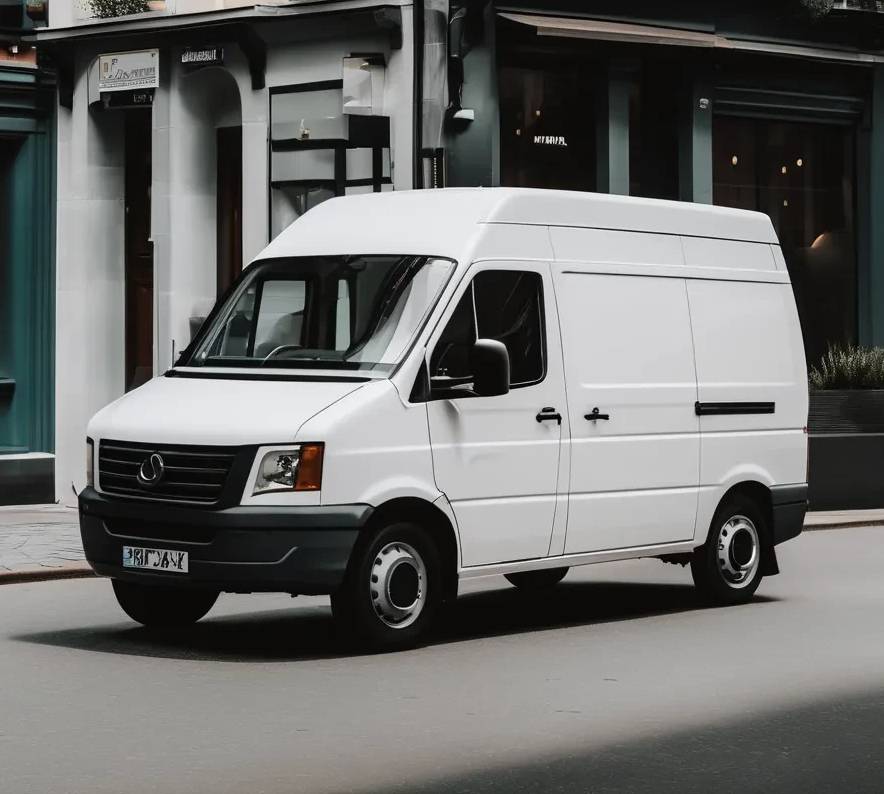
New van buyers will spend an average of £1,732 extra on Vehicle Excise Duty (VED) from April, a recent study has found. In total, van drivers will pay an additional £15.5 million over the first six months of the new tax year, if 2024 sales patterns continue.
The chancellor announced an increase in VED first-year rates, also known as ‘showroom tax’, in last year’s Autumn Budget. Drivers planning to purchase a new van after April may need to adjust their plans or face a hefty tax increase.
The figures were calculated by Go.Compare van insurance. The comparison site analysed data from the Department for Transport, reviewing privately owned van registrations in the first half of the 2024 tax year. It then applied the current and upcoming first-year VED rates to estimate how much more van buyers could pay in the approaching financial year, if consumer habits stay the same.
The study says that buying new diesel vans will result in the heaviest hit from the rise, as rates are based on a vehicle’s CO2 output. The emissions from diesel vans often place them in the top bands for VED. As a result, buyers could see a sharp average increase of £1,807 per vehicle in the first half of the 2025/26 financial year.
In total, new diesel van owners will spend an extra £14.2 million in tax during this period if sales from last year are matched. An additional £1.2 million will come from new petrol van purchases, the second highest rise of any fuel type. This equates to an average of £1,354 more per petrol van.
The increase will be much lower for those who choose greener vans. Buyers who opt for a hybrid will only pay an extra £252 towards the tax, over £1,500 less than diesel van drivers, while those who choose an electric van will spend just £10 more.
|
Extra cost of first-year VED rates for new van buyers from April to September 2025, by fuel type |
||
|
Fuel type |
Extra cost in first licence fee |
Increase per van |
|
Diesel |
£14,272,190 |
£1,807.75 |
|
Petrol |
£1,227,485 |
£1,354.84 |
|
Hybrid electric (combined) |
£6,815 |
£252.41 |
|
Battery electric |
£1,240 |
£10.00 |
Tom Banks, motoring expert at Go.Compare, said: “The increased VED rates will result in a big hit if you buy a brand-new van later this year, but there are things you can do to absorb the blow. The tax rates are based on CO2 emissions, so if you’re able to, this is a good time to switch to a van using cleaner fuels in the cheaper tax bands.
“If you can’t buy a suitable hybrid or electric van, you could go for a ‘nearly new’ one instead. This lets you enjoy a vehicle that’s pretty much as good as new without breaking the bank, and means you can dodge the increased tax.
“Failing this, see if there are any other ways you can reduce your motoring spending to counteract the higher tax. Comparing van insurance policies might help you find a provider offering the same amount of protection for less, and finding new ways to maximise your fuel economy could help to cut costs further.”
To find out more about the impact of rising first-year rates for VED on van drivers, go to Go.Compare’s website.
Helpful Resource Depending On Your Requirements