
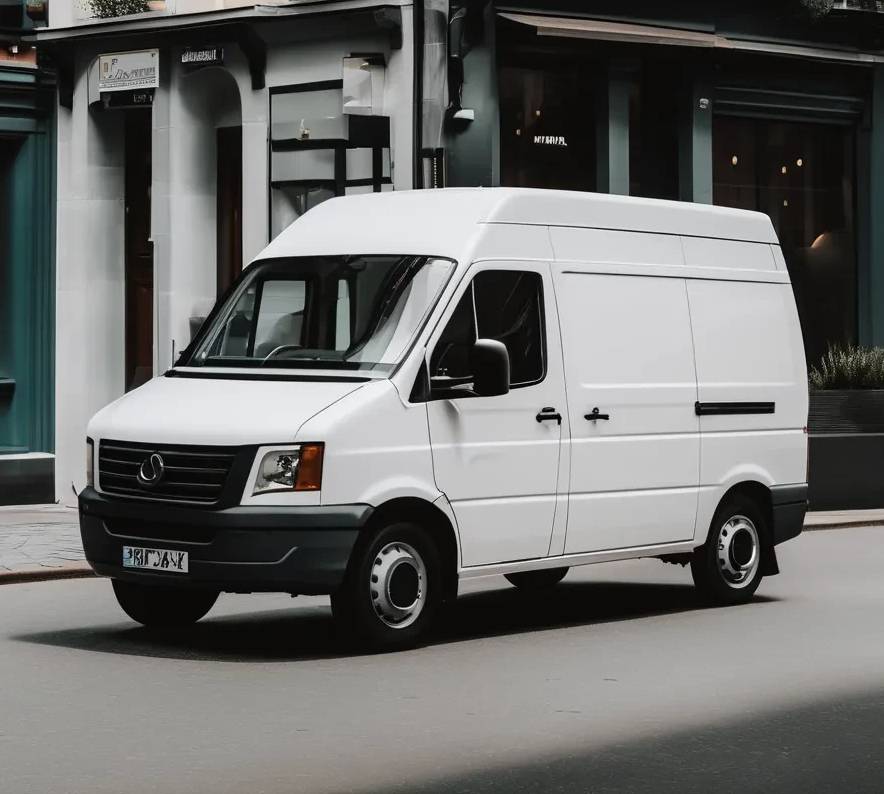
Small business owners know how difficult it has become to run an effective fleet. While operating a small fleet was once relatively easy, having two or three vans, each insured separately and occasionally repairing one of them was sufficient for most businesses. That is no longer the case as fuel price volatility increases rapidly, and new technologies emerge in vehicles annually. As well, if your fleet is down due to repair, your company’s profits will also dwindle. Fortunately, the way many small companies operate their fleets is changing. Instead of focusing on reducing expenses, small companies are starting to create fleets that operate more efficiently every day.
Most fleets have been bought by companies that have a “short-term” outlook. Most of these companies will find out too late how much more it will be to keep this cheap van in service as opposed to other options.
It is a smarter way of doing things when buying a new van or truck for your business to think about total long-term running costs, rather than just focusing on finding the best deal upfront. Many businesses are beginning to make more informed choices concerning purchasing vehicles that require less maintenance and consume less fuel, as opposed to looking for the absolute lowest initial purchase price.
When running an expanding number of vehicles, fleet insurance administration can become confusing. Each separate vehicle’s renewal date means additional paperwork and, therefore, wasted employee hours as well as increased risk of losing track of essential communications.
More businesses are therefore converting their fleet insurance coverage from individual to consolidated policies. Consolidating all vehicles into one fleet policy will help lower administrative expenses associated with managing each vehicle and also allow for better financial planning throughout the year.
Specialist providers such as Fleetcover are helping businesses lower premiums through fleet policies while making the whole process easier to manage. This matters even more for companies hiring new drivers or replacing vehicles regularly.
An aggressive driver may be increasing fuel costs much quicker than some business owners realise through harsh braking, speeding and unnecessary idling of their vehicles, which all impact profit margin.
Telematics provide small businesses with visibility into vehicle usage without the need for an invasive monitoring system. Some companies have even created friendly competition among the driving staff as they compete to lower operating costs by lowering the overall cost of operation. Training also makes a difference. A short refresher course can reduce wear on tyres and brakes almost immediately.
Waiting for a breakdown is expensive and usually occurs when it matters most. Preventive servicing keeps vehicles on the road longer and protects the resale value. Many small fleets use software that automatically tracks service dates, so you no longer need manual reminders.
The best fleets in 2026 aren’t always large. Many times, they’re just well-organised, efficient and easier to run than most other fleets. Small business fleets which have a smart approach to insurance, cleaner driving habits and a planned maintenance routine create fleets that support their company as it grows. Over time, those decisions make daily operations feel smoother and far more profitable.
Helpful Resource Depending On Your Requirements