
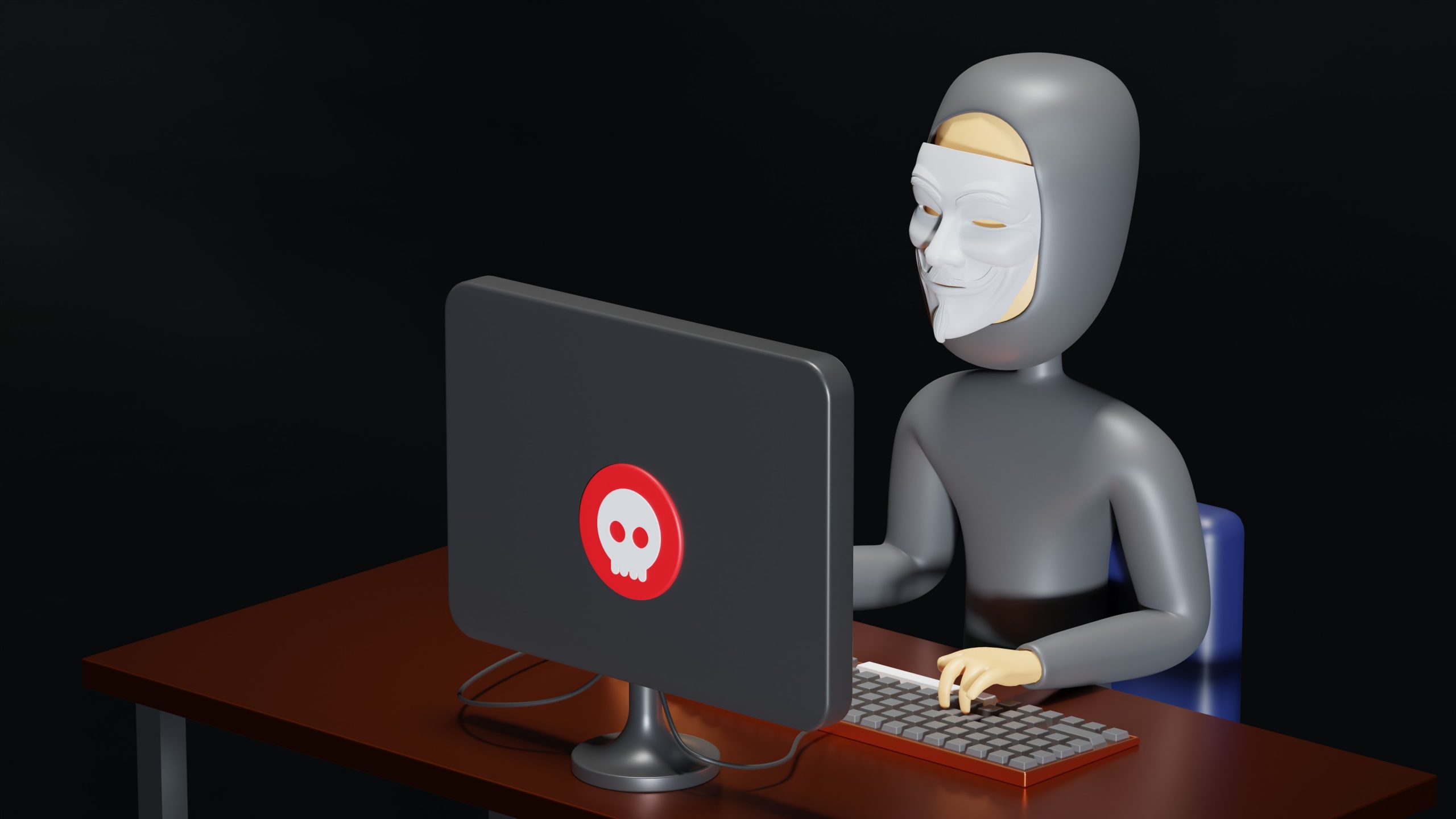
You move money online almost without noticing. A quick tap pays for shopping and subscriptions renew in the background. That ease saves time, but it also creates opportunities for criminals. You rarely see the risk until something goes wrong, and by then the damage can feel frustratingly avoidable. A few deliberate habits can change that. When you slow down slightly and question what sits in front of you, you protect your money.
Understanding Common Online Money Risks
Online risks often look ordinary at first glance. You might receive a phishing message that appears to come from a delivery firm, asking for confirmation. Requests like this work because they feel routine. Criminals also take advantage of data leaks, using stolen email and password combinations to access accounts. A minor charge can open the door to repeated payments or account misuse. When you recognise how these tactics work, you notice details that do not quite fit, such as unusual links or messages that push for quick action without explanation.
How to Pay Safely Online
Your choice of payment method plays a direct role in how well you can respond if something goes wrong. Credit cards often give clearer routes to dispute transactions, while digital wallets reduce the need to share your card number with every site. These layers make it harder for someone to misuse your details. If you are paying for bingo promotions on your phone, for example, take a moment to check that the website shows a secure connection and uses recognised payment providers. You can also enable instant payment notifications through your banking app, which lets you spot unfamiliar activity straight away and act quickly.
Protecting Your Accounts and Devices
Reusing passwords or skipping updates makes it easier for others to get in without your knowledge. Devices also store sensitive information, so weak security there can undo good habits elsewhere. Set up unique passwords for each account and store them in a password manager. This reduces the impact if one service becomes compromised. Adding two-factor authentication creates an extra step that blocks most unauthorised access.
Spotting and Avoiding Scams Before You Pay
Scammers rely on urgency to push decisions. A message might warn that your account needs immediate action or suggest a payment problem that must be fixed quickly. That pressure aims to stop you thinking clearly. Pause and verify any unexpected requests using official contact details rather than links in the message.
Turning Awareness into Everyday Control
Being careful online requires consistency. Each time you check a detail or question a request, you reinforce habits that protect your money. These small actions build confidence, so you rely less on reacting to problems and more on preventing them. You stay in control by approaching with intent. Treat each transaction as a choice rather than a routine step, and you create a steady, reliable way to manage your finances online.
Helpful Resource Depending On Your Requirements