
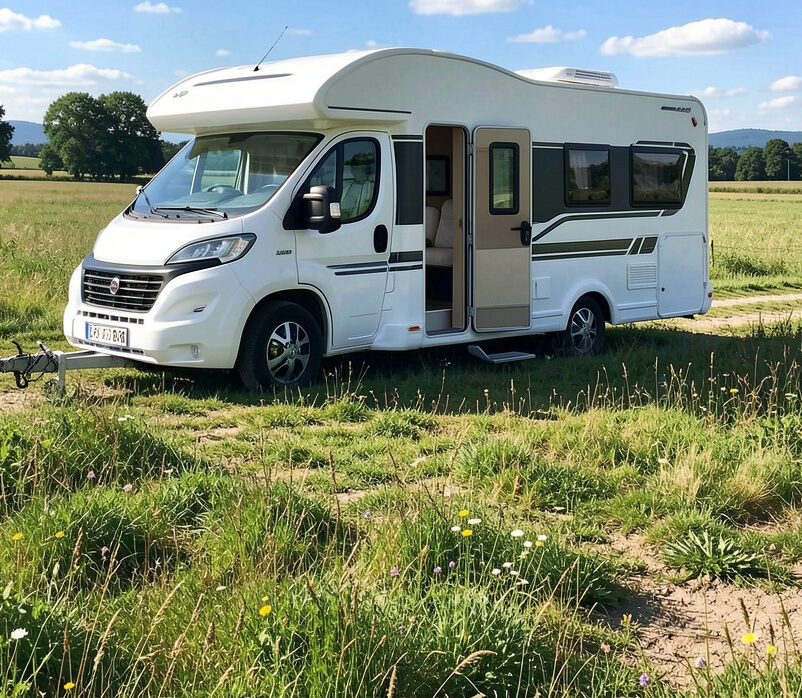
The dream of owning a campervan represents freedom and adventure for many Britons. It’s a tangible way to escape the routine and explore the country at a moment’s notice. While the open road is undeniably appealing, turning this dream into a reality involves a serious financial commitment. Before you start planning your first trip, it’s crucial to look beyond the romantic imagery. You need to analyse whether a campervan is a wise choice for your specific lifestyle and budget. This means clearly assessing not just the purchase price, but the full range of costs and benefits that come with ownership.
The first and most significant financial hurdle is the initial purchase. Campervan prices vary enormously. They can range from a few thousand pounds for an older, DIY project to well over £100,000 for a brand-new, professionally converted model from a premium manufacturer. Your decision here will set the tone for your entire ownership experience.
A brand-new vehicle offers the reassurance of a manufacturer’s warranty, modern amenities, and the latest engine technology for better fuel efficiency and lower emissions. However, it also comes with the steepest depreciation in its first few years. A second-hand campervan can be significantly cheaper, but it might need more immediate maintenance or have hidden issues. It’s essential to get a professional inspection before buying used.
Beyond the vehicle itself, there’s the conversion. If you buy an empty panel van, the cost and quality of the fit-out become a major factor. A professional conversion ensures safety standards are met for gas and electrical systems, but this can add £20,000 to £40,000 or more to the total cost. A DIY conversion can save money, but it requires considerable time, skill, and research. The cost of the van build is a major part of the initial investment that needs careful budgeting.
Once the campervan is sitting on your drive, the expenses have only just begun. The ongoing running costs are a significant part of the total cost of ownership. You must factor them into your annual budget to avoid any unpleasant surprises.
These recurring costs go far beyond just filling up the tank. Here are some of the key expenses to anticipate:
A common oversight for new owners is insurance. A campervan is not just a vehicle; it’s a home on wheels, often containing thousands of pounds worth of personal belongings and custom fittings. Standard vehicle policies are rarely adequate, as they typically don’t cover the habitation area, modifications, or the contents within. This is where specialist coverage becomes essential.
Proper campervan insurance is designed to protect both the vehicle and the lifestyle that goes with it. Policies are structured to cover the unique risks associated with these vehicles. This includes cover for awnings, gas bottles, and other fixed equipment that a standard policy would exclude. Furthermore, it can provide contents cover for your personal possessions, from laptops and cameras to clothing and cooking equipment.
Without this specialist protection, you could face a significant financial loss in the event of theft, fire, or an accident. Imagine your van stolen with all your holiday gear inside, only to find your car insurance will only pay out for the base vehicle’s value, ignoring the expensive conversion and all your belongings. Investing in the right policy provides a crucial safety net that protects your entire investment, not just the engine and chassis. It’s a non-negotiable part of responsible campervan ownership.
When you ask if a motorhome is worth it, the answer isn’t purely financial. You must weigh the costs against the significant lifestyle benefits. For many, a campervan’s value lies in the freedom and flexibility it provides. It allows for spontaneous weekend getaways and long, immersive holidays without the need to book flights or hotels months in advance.
This can lead to savings on conventional holiday costs. A family of four might spend thousands on a two-week package holiday abroad. Over several years, the cost of a campervan and its running expenses could be offset by savings on accommodation and flights. You have your own kitchen, reducing the need to eat out for every meal, which can cut daily holiday spending considerably.
Beyond the numbers, there’s the intangible value. The ability to disconnect from the daily grind, spend more time in nature, and create lasting memories with family and friends has a profound impact on well-being. A campervan isn’t just a vehicle; it’s a tool for a different way of living. For those who use it frequently, this ‘return on lifestyle’ can far outweigh the financial depreciation. The key is to be realistic about how often you’ll actually use it. A campervan sitting unused on the drive for 50 weeks of the year is an expensive ornament.
Unlike a typical car, which is almost guaranteed to lose a substantial portion of its value each year, campervans can be a surprisingly stable asset. The market for used campervans is robust, and well-maintained models, particularly from desirable brands like Volkswagen or professionally converted vans, often hold their value exceptionally well. In some cases, during periods of high demand, they can even appreciate in value.
Several factors influence whether campervans are a good investment from a resale perspective. The base vehicle is crucial; a reliable van with a good service history and low mileage will always be more desirable. The quality and layout of the conversion are equally important. A professional, well-designed interior with certified gas and electrical systems will command a much higher price than a rough-and-ready DIY job.
Condition is paramount. Protecting the vehicle from rust, keeping the interior clean, and ensuring all appliances are in working order will pay dividends when it comes time to sell. While a campervan should not be viewed as a traditional financial investment that generates income, its strong resale potential means the total cost of ownership over several years can be much lower than you might expect. It can be less of a depreciating expense and more of a long-term asset that you also get to enjoy.
Ultimately, a campervan is a lifestyle investment first and a financial one second. If your budget can comfortably accommodate the initial outlay and ongoing running costs, and if you are committed to using it regularly, it can provide incredible value in the form of freedom, flexibility, and unforgettable experiences.
Helpful Resource Depending On Your Requirements