
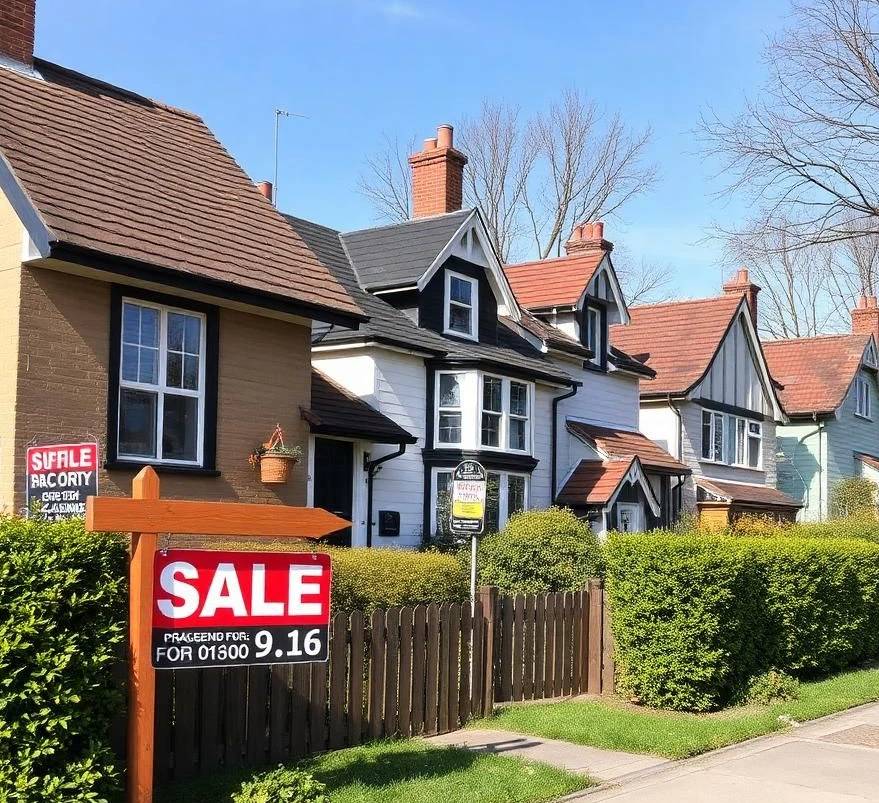
Ask most Irish homeowners what their house is worth and they will have a number ready, usually borrowed from the Property Price Register or a neighbour’s sale. Ask them what it would cost to rebuild, and the answer is often a blank look.
That gap matters. The figure on your home insurance schedule, the sum insured, should reflect what it would cost to clear the site and rebuild your home from the ground up. Get it wrong, and a claim that should have made you whole can leave you thousands out of pocket.
The warnings are getting louder. The Irish Independent has reported that homeowners could face losses running to tens of thousands of euro if their property is underinsured. Broker Insuremyhouse.ie said in January that a review of its renewals suggested up to half of homeowners could be underinsured by 10% to 30%. In October, the Irish Times reported that many homeowners may be undervaluing their rebuild costs by as much as €83,000.
The root of the problem is that rebuild costs have been rising faster than most people realise. In its most recent annual rebuild cost guide, published last November, the Society of Chartered Surveyors Ireland (SCSI) found that the average cost of rebuilding a home had risen by 7% nationally in a single year. That followed a 12% jump in 2023.
Those increases have outpaced general construction inflation, which the SCSI put at around 3%. Its president, Gerard O’Toole, told RTÉ that rebuilding is uniquely expensive. It involves demolition, which now attracts the Waste Recovery Levy and the Landfill Levy, and it relies on the small builders who do one-off homes and extensions. That work is labour-intensive, and labour is scarce: he estimated the construction industry is upwards of 80,000 skilled workers short.
The increases also vary across the country. Rebuild costs rose by 3% in Cork, 5% in Dublin, 7% in Galway and Limerick, 8% in Waterford and the north-east, and 9% in the north-west, where the pool of available tradespeople is smaller.
A homeowner who set their sum insured when they bought the house five or ten years ago, and has simply renewed ever since, is almost certainly working from an out-of-date number. The same is true for anyone who has extended, converted the attic or carried out a deep retrofit without telling their insurer: the house now costs more to rebuild than the policy assumes.
Many people assume that being slightly underinsured only matters if the whole house burns down. It does not work that way.
Most home insurance policies contain an average clause. If your home is insured for less than its full rebuild cost, the insurer will reduce every claim, large or small, in proportion to the shortfall.
Mr O’Toole gave a clear example. Take a three-bedroom semi-detached house that would cost €400,000 to rebuild, but is insured for €300,000. That home is 25% underinsured. If a storm or a burst pipe causes €100,000 worth of damage, the insurer pays only €75,000, and the homeowner is left to find the remaining €25,000 themselves.
A common mistake is to insure a house for what it would sell for. But market value includes the land and the desirability of the location, neither of which needs rebuilding. In some parts of the country, rebuild cost is well below market value; in others, particularly rural areas and for older or larger homes, it can be considerably higher. Only the rebuild cost tells you the right sum to insure for.
The good news is that putting the figure right may cost less than people fear. Mr O’Toole noted that increasing the sum insured does not automatically mean a proportionate increase in premium, particularly in a competitive market where it pays to shop around.
The simplest way to sense-check your sum insured is an online rebuild cost calculator. CompareInsurance.ie’s free rebuild cost calculator is built on SCSI cost data per square metre for different house types and locations, and it takes only a few minutes with a tape measure.
Here is what you will need:
Compare the result with the buildings sum insured on your policy schedule. If there is a gap, contact your insurer and have the figure updated before you renew, not after you need to claim.
Know the limits. An online calculator gives a sound estimate for a standard, estate-type house. It is not a substitute for a professional valuation. If you own a self-build, a period property, a home with a basement or more than three storeys, or one with unusual features, a chartered surveyor’s assessment is the safer route. The SCSI publishes a directory of members who provide rebuild cost estimates, and some insurers will insist on one for non-standard homes.
Whichever route you take, the calculation is not a once-off. With construction costs still rising, rebuild costs should be reviewed every year at renewal. It is also worth checking whether your policy includes index-linking, which increases the sum insured in line with an inflation index. Index-linking helps, but it is no guarantee that your cover has kept pace with the real cost of building in your area.
Nobody expects their home to be badly damaged by fire, flood or storm. But after the costliest storm in Irish insurance history and years of steep construction inflation, it is no longer safe to assume the figure on last year’s renewal notice is still right.
Ten minutes with a tape measure and a rebuild cost calculator could be the difference between a claim that covers the full cost of repairs and one that leaves you tens of thousands of euro short. Once you know the right figure, it is also a good moment to compare home insurance quotes, so that full cover does not have to mean a higher premium.
Helpful Resource Depending On Your Requirements