
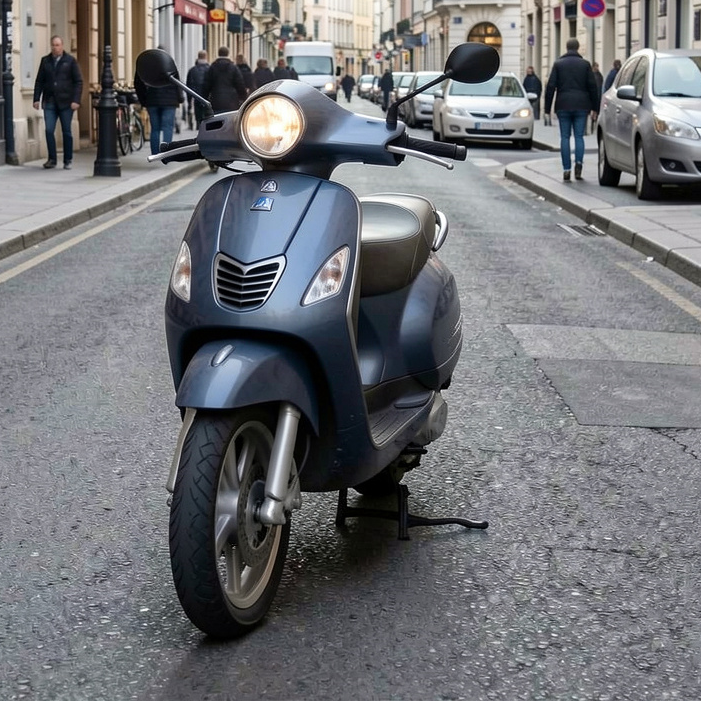
Owning a two-wheeled vehicle offers a fantastic sense of freedom and can be a cost-effective way to travel. However, the expenses don’t stop once you’ve bought it. Protecting your motorbike or scooter is a high ongoing cost that needs careful financial planning. While fuel and maintenance are often cheaper than for a car, the combined cost of insurance, security, and other protective measures can add up quickly. Controlling these costs isn’t just about finding the lowest price; it’s about securing the right level of cover for your needs without overpaying.
For many riders, the annual renewal notice brings a sense of dread. But with a strategic approach, you can cut your spending significantly. This means understanding the different layers of protection available, knowing where to find the best deals, and taking proactive steps to make yourself and your bike a lower risk. Thinking about protection as a complete package, rather than just a single insurance policy, helps you make smarter financial decisions that keep you and your vehicle safe on the road.
When people think about vehicle protection, they often only consider insurance. However, a comprehensive strategy for your motorbike or scooter involves several different elements, each contributing to your financial security and safety. Thinking about these layers helps you build a more robust and cost-effective plan.
First, there’s the mandatory insurance required by law to ride on UK roads. This forms the foundation of your protection, covering your liability if you injure others or damage their property. Beyond this basic level, you can add optional cover like fire and theft, or choose fully comprehensive policies that also cover damage to your own bike.
Next, consider physical security. Items like high-quality locks, chains, ground anchors, and approved immobilisers or tracking systems are a crucial part of the puzzle. They not only deter thieves, but many insurers also offer discounts for using them, directly reducing your premium.
Finally, some financial products cover specific parts or situations. These are often sold as add-ons and can include everything from breakdown cover and legal expenses insurance to plans that cover cosmetic damage. Some manufacturers and third parties offer plans similar to the First Class Wheel and Tire Protection seen in the car market, which can cover the high cost of repairing or replacing expensive wheels and tyres damaged by road hazards. Understanding each component helps you decide where to allocate your budget for the best overall value.
Insurance is almost always the largest and most important part of your protection budget. Finding the right policy at a competitive price is the single most effective way to manage your two-wheeler expenses. Many factors influence the price you pay, including your age and riding history, the type and value of your bike, where you live, and even your occupation.
Because so many variables are at play, quotes can vary dramatically between different insurance providers. This is why simply accepting your renewal offer is rarely the smartest financial move. To ensure you’re getting a good deal, you must compare the market each year. Comparison websites are a good starting point, but they don’t always include every provider, especially specialist ones.
For many riders, using a dedicated broker can unlock better deals. Brokers often have access to policies and insurers not found on mainstream comparison sites. This can be especially true if you have a classic bike, a custom model, or a high-performance machine. A specialist broker can compare quotes from a panel of insurers to find the right insurance for a bike that matches your specific profile and needs. Government-backed resources like the MoneyHelper service also offer a great guide to motorbike insurance that can help you understand the different types of cover available. Taking the time to explore all your options is key to not overpaying for this essential protection.
When you buy a vehicle or arrange insurance, you’ll often be offered a range of optional add-on products. These can include everything from tyre insurance and cosmetic repair cover to extended warranties and Guaranteed Asset Protection (GAP) insurance. While they can sound appealing, it’s vital to critically assess whether they offer genuine value for your situation.
Dealers often present a menu of vehicle protection products at the point of sale. For example, tyre insurance promises to cover the cost of repairing or replacing tyres damaged by punctures or potholes. This might be worthwhile if you have a bike with particularly expensive, specialised tyres, but for a standard commuter scooter, the policy cost may outweigh the potential benefit. Similarly, cosmetic repair insurance covers minor scrapes and scratches, but the annual premium could be more than you’d pay for an occasional smart repair out of pocket.
Before adding any of these to your bill, ask yourself a few questions:
For some, these plans provide valuable security. For others, they are an unnecessary expense. The key is to choose wisely rather than say yes during a sales conversation.
Beyond shopping around for insurance, you can take several proactive steps to reduce your premiums and overall protection costs. Insurers calculate prices based on perceived risk, so anything you can do to make yourself a less risky prospect can translate into direct savings.
Consistently applying these habits not only saves you money but also makes you a safer and more responsible rider.
Finding a great price for your two-wheel protection is important, but it’s equally crucial to understand exactly what you are paying for. The cheapest policy isn’t always the best if it’s riddled with exclusions and high excesses that make it hard to claim. Taking the time to read the policy documents is a vital step in making a smart financial decision.
Pay close attention to the policy excess. This is the amount you must contribute to a claim. There is usually a compulsory excess set by the insurer and a voluntary excess you choose. Make sure you know the total amount you would have to pay. Also, check for specific exclusions. For instance, some policies may not cover you for riding with a pillion passenger, using your bike for commuting, or taking it abroad without prior notification.
Being truthful on your application is non-negotiable. Providing inaccurate information, such as where you store the bike or your claims history, can invalidate your entire policy. If your insurer discovers a misrepresentation, they can refuse to pay out a claim, leaving you with a massive bill. While some consumer advice comes from other countries, the core principle of carefully reviewing all auto purchase documents and insurance contracts is universal. Don’t rush the process; understanding the terms and conditions ensures your protection is there when you need it most.
Protecting your motorbike or scooter is a multifaceted task, but it doesn’t have to be overwhelmingly expensive. With a clear strategy, smart shopping for core insurance, critical evaluation of add-ons, and active risk reduction, you can secure comprehensive cover that fits your budget. This allows you to enjoy the freedom of the open road, confident that you and your machine are well protected.
Helpful Resource Depending On Your Requirements