
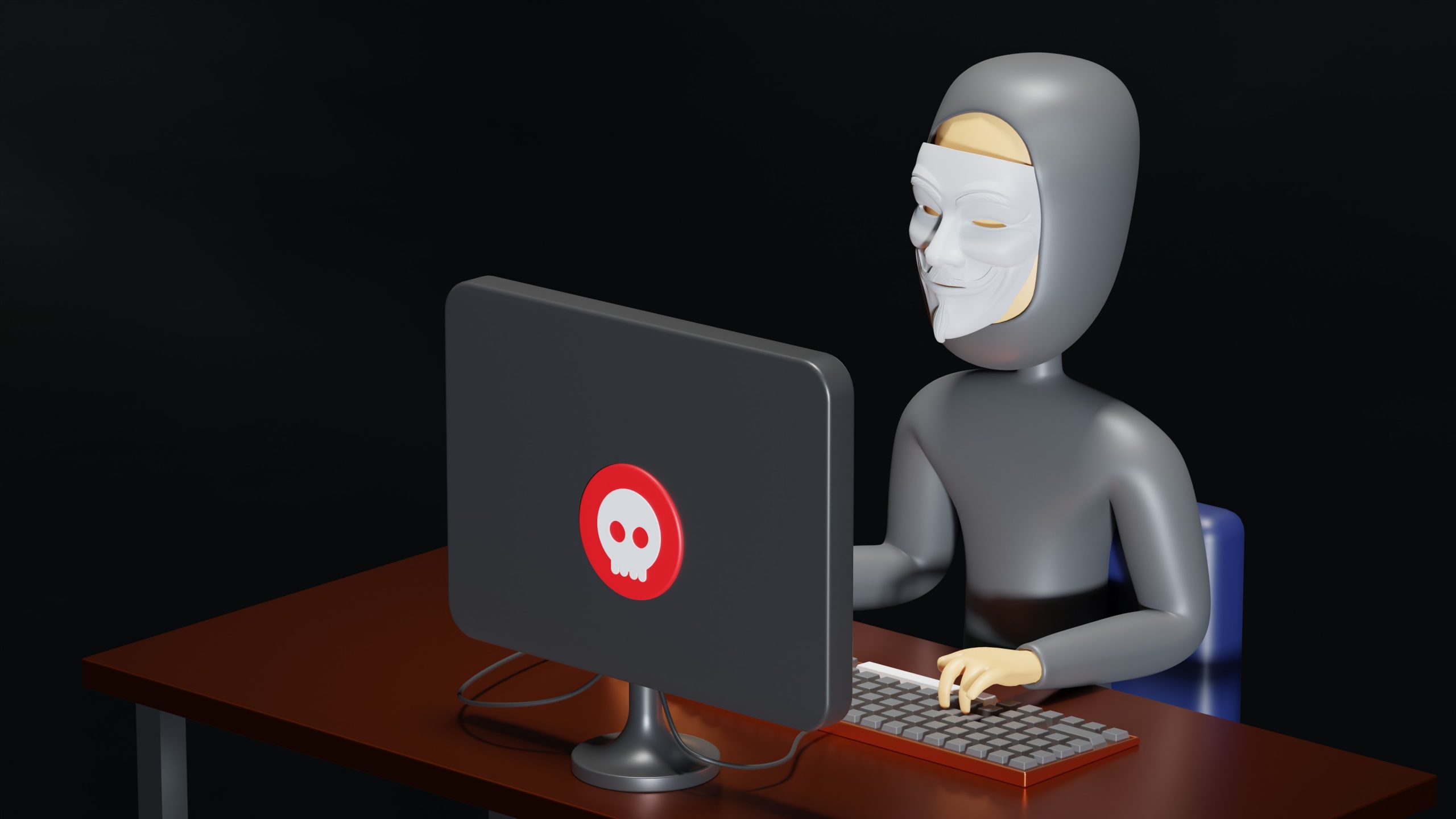
Your donors trust you with more than money. They trust you with their personal information, their payment details, and their confidence that your organization will handle it all responsibly. That trust is fragile. One data breach, one phishing scam that tricks a staff member into wiring funds to the wrong account, and years of goodwill can evaporate overnight.
Nonprofits are increasingly attractive targets for cybercriminals. Why? Because many organizations run lean, with small IT budgets and even smaller security teams. Attackers know this. They also know that nonprofits handle valuable data: donor names, addresses, credit card numbers, and sometimes even Social Security numbers for grant or scholarship programs. The good news is that you don’t need a massive budget to close these gaps. The affordable nonprofit IT solutions exist specifically to help organizations like yours protect sensitive data without blowing through your operating budget.
Understand What You’re Actually Protecting
Before you can defend donor assets, you need to know what you’re defending. Take stock of everything that touches donor information. This includes your donation platform, your CRM, your email marketing tool, and any spreadsheets your team keeps “just in case.”
Once you know where the data lives, you can start closing the doors that attackers use to get in.
Common Threats You Should Watch For
Cyber threats aimed at nonprofits tend to follow familiar patterns. You’ve probably heard of phishing, but it’s evolved. Attackers now research your organization, mimic your executive director’s writing style, and send convincing emails asking for urgent wire transfers.
Ransomware is another growing concern. It locks up your files and demands payment to release them. For a small nonprofit, even a few days without access to donor records can be devastating.
Then there’s the quieter threat: financial liability from your own vendors. If a third-party platform you use gets breached, you could still be on the hook. Donors will hold you accountable, even if the fault technically belongs to someone else.
Build Habits, Not Just Defenses
Technology helps, but habits matter just as much. Train your staff to pause before clicking. Teach them to verify unusual requests by phone, not just email. Small behavioral shifts prevent a surprising number of incidents.
You should also review who has access to what. Not every staff member needs access to donor financial data. Limiting access reduces your exposure if a single account gets compromised.
Consider these baseline protections:
Insurance and Liability Planning
Even strong defenses can’t guarantee you’ll never face an incident. That’s where cyber liability insurance comes in. It won’t stop an attack, but it can soften the financial blow of legal fees, notification costs, and recovery expenses.
Talk to your board about this. Many nonprofit leaders assume general liability insurance covers cyber incidents. It usually doesn’t. A separate policy, even a modest one, can be the difference between a manageable setback and a financial crisis.
Make Security Part of Your Culture
Protecting donor assets isn’t a one-time project you finish and forget. It’s an ongoing commitment that touches your technology, your training, and your organizational culture. When you treat security as a shared responsibility rather than an IT afterthought, you build the kind of trust that keeps donors giving year after year.
Your mission depends on that trust. Protect it accordingly.
Helpful Resource Depending On Your Requirements