
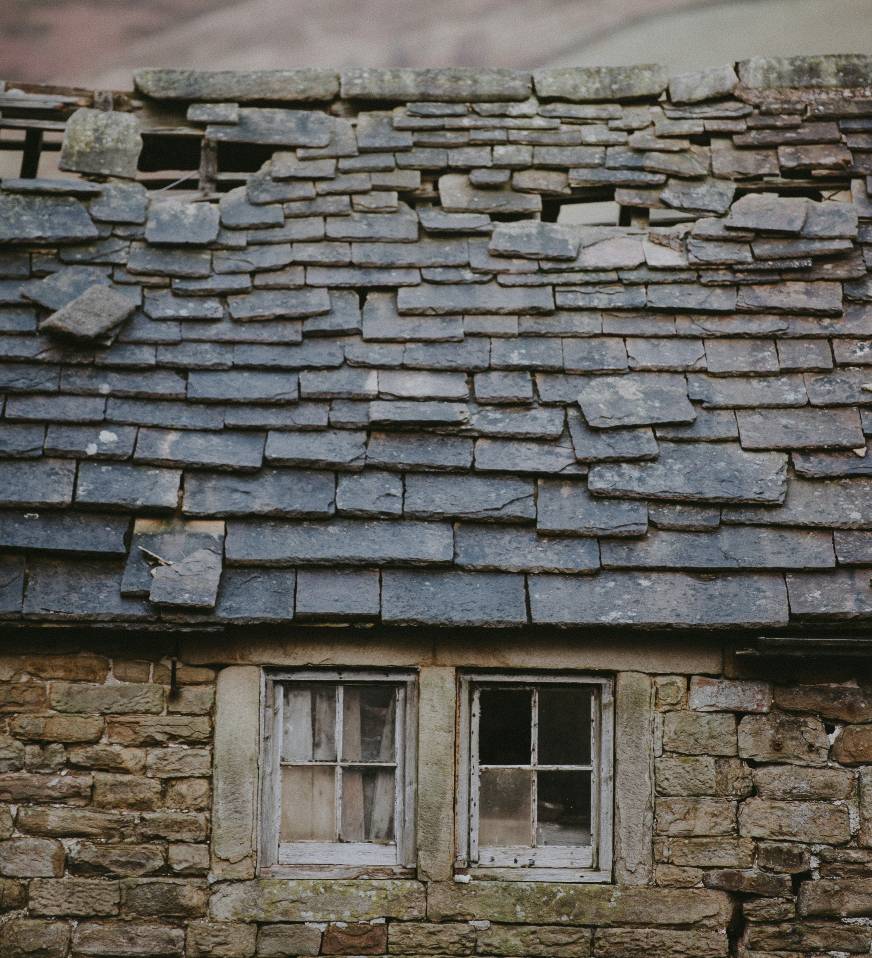
Many homeowners are unaware of the costly repairs lurking in their homes – until it’s too late. New figures from Ocean Finance reveal that unexpected maintenance issues, such as leaky pipes, roof damage, and electrical faults, could set homeowners back by as much as £15,000.
And with energy bills set to rise next month, household budgets are under even more strain. From April 1, the price cap will push average bills to £1,849 per year.
Fiona Peake, Personal Finance Expert at Ocean Finance, says: “Many homeowners underestimate the importance of regular maintenance. It’s not a matter of if something will go wrong, but when – and when it does, the costs can be shocking.”
Their data highlights that more than 30% of UK homeowners admit they’re unprepared for surprise repair costs, with 15% struggling to afford them when they arise.
Six Hidden Home Repair Costs
“A damaged roof may not be obvious until it’s too late. Leaks can cause severe structural damage, leading to major repairs. Keeping an eye on roof condition and getting it checked annually can save you from an expensive disaster.”
“Hidden leaks or plumbing issues can lead to disastrous water damage, which might be undetected until it causes visible harm. The cost of fixing water damage depends on the extent of the problem but could run into thousands, particularly if walls, flooring, and personal possessions are damaged.”
“Rewiring a home or fixing a circuit issue can cost thousands, and if left unresolved, these problems can lead to further damage or, in extreme cases, fire hazards.”
“Damp issues can result in costly repairs, including treatment for mould or extensive structural repairs. Left unchecked, damp can also affect health, which adds another layer of concern for homeowners.”
“Boilers are an essential part of any home, but they’re expensive to replace. If your boiler is aging or experiences a breakdown, the cost of repairs or even a complete replacement could be a hefty sum.”
“If the foundation of your home shifts or cracks, it can lead to expensive repairs that can’t be ignored. These repairs are typically the most expensive and can range anywhere from a few thousand pounds to tens of thousands, depending on the severity.”
What Can You Do to Prevent Costly Repairs?
While you can’t always avoid home repairs, Fiona details steps homeowners can take to reduce the risk of a surprise bill:
What If the Damage is Already Done?
Fiona says, “Many homeowners delay saving for repairs until something breaks, leaving them scrambling for funds. Savings are ideal but they’re not always an option, especially if you need to act quickly. If you need urgent repairs and can’t cover the cost upfront, a 0% interest credit card or personal loan could help.”
For more money-saving tips and financial advice, visit Ocean Finance.
Helpful Resource Depending On Your Requirements