
If you want to live a life that’s rich in meaning and personal fulfilment, then you need a hobby – or perhaps even several of them. You might find that your journey as a creative person confers benefits that you feel in other parts of your life. For example, a few weeks of training as a portrait artist might fundamentally shift the way that you observe the world around you.
But before taking up a new hobby, it’s worth bearing in mind the costs that you’re assuming – especially if those costs are likely to escalate as your needs become more sophisticated.
In many cases, hobbies can be tremendously costly. This is particularly so in the world of collectables, where there’s no limit to the amount you can spend.
Hobbies often require equipment and supplies. If you take up the electric guitar, for example, you’ll not only need to think about the instrument itself but also the supplies that go with it. Strings, cables, pedals, and ongoing maintenance will all incur a cost.
The easiest way to manage these costs is to budget for them. Set a hard limit for your spending on your hobby each month. Don’t be tempted to simply spend money on supplies that you don’t need.
In some cases, you might find that your hobby comes into conflict with your other financial ambitions. After all, every pound that you commit to buying books or equipment is a pound that can’t go into your pension fund or cash ISA.
What matters here is that you have a budget that covers both of these things. Think about how much utility you’re getting from every purchase you make. If you’re painting miniatures, for example, you might stick to the basic colours and methods until you have the skills necessary to wield the more expensive, sophisticated ones.
In many cases, getting into a hobby might involve a major investment. It’s vital that you consider not only up-front costs but ongoing ones. These might involve storage for equipment and supplies, as well as travel. If you like wakeboarding, you’ll need to occasionally travel to places with enough water.
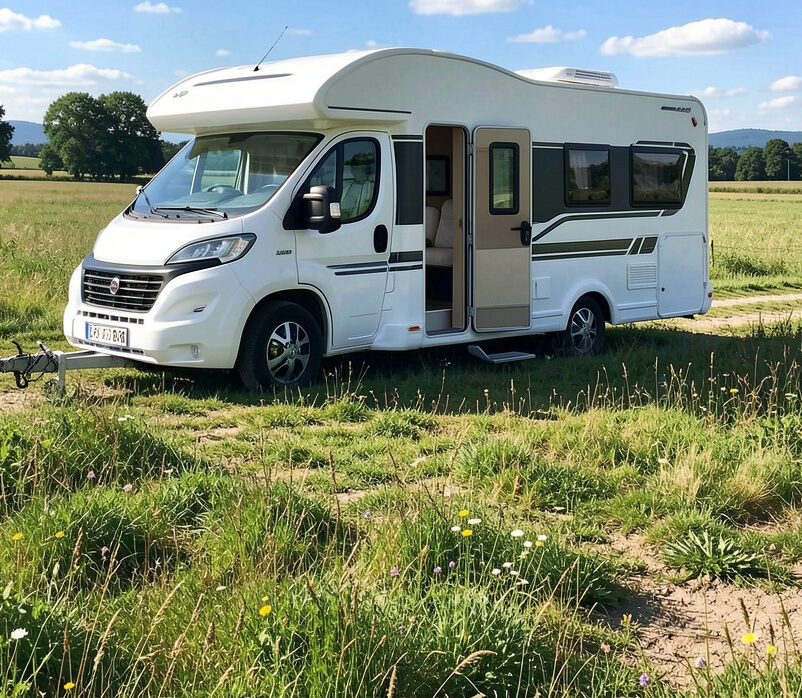
Insurance is something that many advanced hobbyists need to consider. And in some cases, beginners might think about it, too. Motorhome travel, for example, is best done with the help of specialised motorhome insurance.
If there’s a major expense involved in your chosen hobby, then it’s worth establishing that you really want to get involved with it. Borrow the supplies you need from a friend, or rent them. If you’ve never skied before, then it’s a good idea to rent your equipment, rather than buying it outright. That way, you’ll not only be able to decide whether the hobby is right for you, but you’ll also be able to determine what features you’re looking for when you actually come to invest.
Certain hobbies will naturally make a better fit for your personality and lifestyle than others. In some cases, you might pick up skills that you can apply elsewhere in life. Or, you might open up new social opportunities.
The best approach is often to try a range of hobbies so that you can see which makes the best fit for your goals and lifestyle.
A new hobby can be a very rewarding thing. But it can also, in many cases, be a burden. Make sure that your finances can cope before you get too involved in your chosen pursuit.
Helpful Resource Depending On Your Requirements