
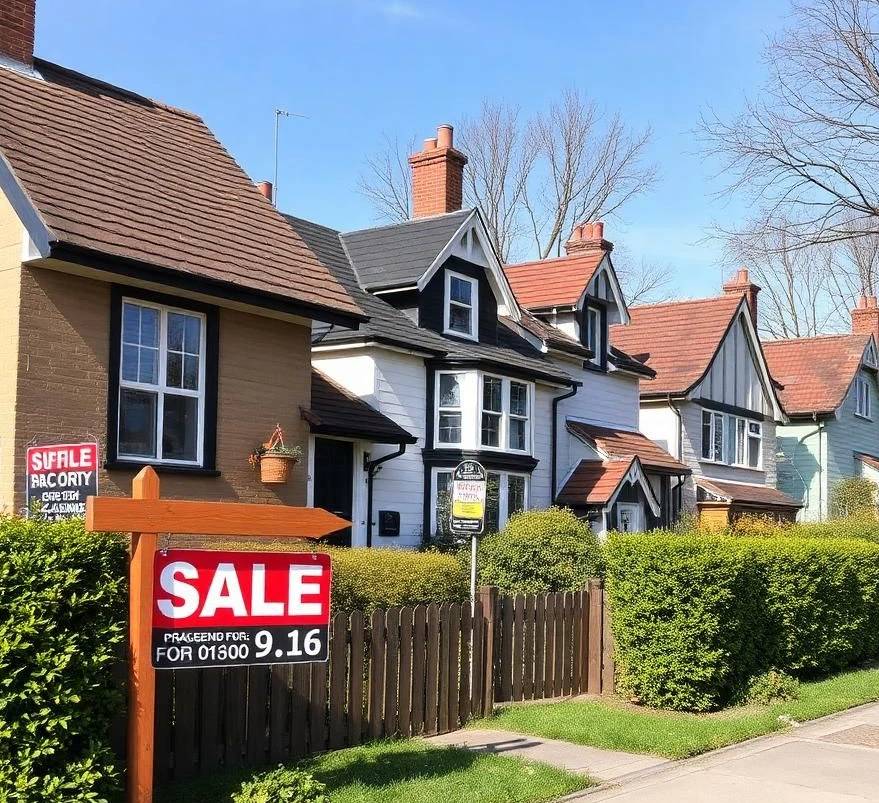
Birmingham has one of the largest cash-buyer markets in the country. Between cheap terraced housing, auction lots and buy-to-let investors who don’t need a mortgage, loads of properties change hands without a lender involved. And because property searches are only compulsory when a mortgage company demands them, a lot of those purchases go through with nothing ordered at all.
That’ll save you a few hundred quid upfront. But it also means you’re buying a property blind, and if something surfaces later, there’s nobody to blame but yourself. Follow along as we go through what a proper search pack actually covers and why indemnity insurance isn’t the shortcut it looks like.
When you buy with a mortgage, your lender will insist on a standard set of property searches before releasing any funds. Cash buyers don’t have that requirement, so many skip the lot. The trouble is, these searches exist for good reason. They’ll flag things the seller either doesn’t know about or has no obligation to mention.
A local authority search, for example, will reveal planning enforcement notices, building control issues, smoke control zones and whether the road serving the property has actually been adopted by the council. An environmental search picks up contaminated land, flood risk and ground stability problems. And the water and drainage search confirms whether the property connects to mains drainage and whether any public sewers run under or near the building.
Without these, you’re relying entirely on the seller’s answers in the property information form (the TA6). Sellers are supposed to be honest, but the form allows “not known” as a response on many questions, so gaps in the information are common.
The standard bundle most conveyancing solicitors in Birmingham will order includes three core reports:
Together, these typically cost between £250 and £400, depending on the council’s own charges and which extras your solicitor recommends. The Birmingham City Council search typically comes back within around 10 working days, which is in line with the government’s target. The water search usually arrives within a day, so that won’t hold anything up.
These reports will tell you whether an extension on the property had planning permission and building regulations sign-off, whether there’s a planning application next door for something you’d hate living beside, and whether the land has a history of industrial use that could trigger remediation costs later on.
Here’s where the maths stops adding up. A full search pack costs a few hundred pounds. Fixing the problems those searches would have caught can cost tens of thousands.
If you buy a property with an unauthorised extension and your local authority later issues an enforcement notice, you could be forced to demolish it or pay to bring it up to standard. If the access road is unadopted, you and your neighbours could end up liable for its maintenance, and resurfacing a private road isn’t cheap. If the land turns out to be contaminated, you could be looking at a remediation obligation that makes the property almost impossible to resell.
These aren’t hypothetical situations either. They come up regularly in Birmingham, particularly with older terraced stock in areas like Aston, Sparkbrook and Small Heath, and on former industrial land that’s been converted to residential use.
Some buyers go for search indemnity insurance instead of ordering full searches. It’s cheaper, typically starting from around £20 for basic cover and rising to £300 or more depending on the property value and level of indemnity. It provides cover if a search would have revealed a problem.
But there’s a catch. Indemnity insurance is reactive. It won’t tell you about the problem before you buy. You’ll only find out when something goes wrong, and then you’ll need to make a claim. The policy also comes with exclusions and conditions, and it won’t cover anything you already knew about or should have reasonably discovered.
For investors buying at auction who need to complete within 28 days, indemnity insurance can work as a stopgap when there genuinely isn’t time to wait for search results. But for a standard cash purchase where you’ve got weeks or months to complete, there’s no real justification for skipping proper searches just to save a couple of hundred pounds.
If you’re buying a property in Birmingham with cash, the temptation to cut corners on searches is understandable. There’s no lender forcing you to order them, and the saving can look meaningful when you’re already writing a large cheque.
But the risks you’re taking on are way out of proportion to what you’re saving. A proper set of searches won’t slow your purchase down by much, and the information they return could change whether you buy the property at all, or at the very least, how much you’re willing to pay for it.
Helpful Resource Depending On Your Requirements